














Fewer alerts:
More clarity to take action.

Group, correlate, and suppress events so you can focus solely on the root cause, avoiding unnecessary noise and wasted operational time.
Avoid wasting time responding to unimportant alerts.

✓ No credit card required · Ready in 1–2 hours
Correlación e Inhibición de Alertas — 24Cevent
Eventos detectados
CPU al 100%
Memoria agotada
Timeout DB
Query lenta
Pool conexiones
API error 503
Latencia alta
Health check
8 alertas simultáneas
Correlación aplicada
Servidor sobrecargado
2
Base de datos
3
Capa de aplicación
3
Causa raíz
🎯
Saturación del servidor principal
1 causa · 8 síntomas inhibidos
−87% ruido operativo
Acción enfocada
1 alerta relevante
Iniciando…

• The problem isn't receiving alerts •

It's like getting 20 alerts...
when there's really only one problem

This is what is happening today

in most operations

One crash generates multiple duplicate alerts

Different systems report the same problem separately

Teams review alerts that are not the actual cause

Time is wasted analyzing symptoms instead of the origin of the disease.

Operational noise makes the critical go unnoticed

And the more alerts you receive, the less clear it is what to resolve first.

When you filter out the noise, everything becomes clear

Alerts are automatically grouped

Related events are consolidated into a single incident, avoiding duplication and facilitating analysis.

The root cause of the problem is identified

The system detects which alert is causing the problem, prioritizing what really needs to be solved.

Events are correlated between systems

Alerts from different tools are related to each other to understand the whole incident.

The critical is automatically prioritized

Only relevant alerts generate action, avoiding distractions and improving decision making.

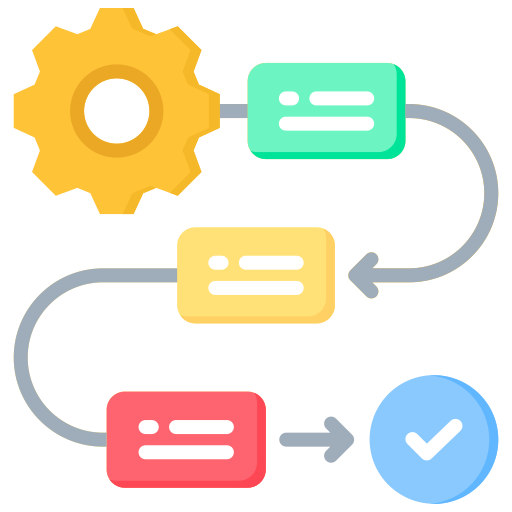
A simple flow,

with applied intelligence

Full visibility of the incident


Multiple alerts are generated from different tools or components, often triggered by the same incident.

You understand what is connected


24Cevent analyzes the relationships between events and groups those that are connected, unifying the view of the incident.

You eliminate unnecessary noise


Redundant or derived alerts are automatically silenced, avoiding unnecessary notifications and reducing operational noise.

You act with total focus


The origin of the problem is identified and the alert is prioritized, allowing to act directly on what really needs to be solved.

Less noise. More focus. No manual analysis.

You don't just manage alerts.
You understand what's really going on.

Each incident is traced back to its root cause, eliminating duplication and preventing operational distractions.

When this fails

the impact is immediate

Infrastructure outages generating multiple simultaneous alerts

Network problems that trigger cascading events

Critical systems reporting derived failures

Teams analyzing symptoms instead of origin

Duplicate alerts saturating shifts and guards

What changes
in your operation

What is the purpose of alert inhibition in incident management?

Alert inhibition helps reduce operational noise by grouping related events and avoiding duplicate notifications. This helps identify the root cause of an incident and focus the response on the actual problem, improving analysis and resolution times.

Frequently Asked Questions

What does correlating alerts mean?

It is to group related events coming from different sources or systems, allowing to understand that they all correspond to the same incident.

What is alert inhibition?

It is the process of suppressing redundant or secondary alerts, notifying only the one that represents the root cause of the problem.

Am I going to miss important information?

No.
The information is still available, but it’s organized and prioritized so you can focus on what’s relevant without losing sight of the big picture.

Does this work with any monitoring tool?

Yes.
24Cevent receives alerts from your current tools and applies correlation and suppression without requiring you to change your infrastructure.

How does this impact the work of the team?

It reduces the operational burden, avoids unnecessary analysis and allows the team to focus on resolving rather than investigating multiple events.

See how your operation would change without noise

Simulate how your alerts are grouped and filtered to focus only on what is important.